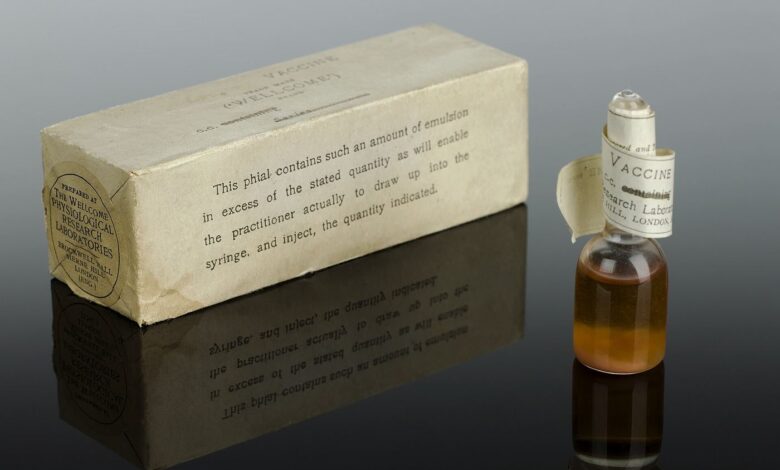
A vaccine made for a single patient, built from the genetic code of their own tumour, has cut the risk of melanoma coming back. In the phase 2b KEYNOTE-942 trial, 157 patients with high-risk melanoma that had been surgically removed were given either the personalised mRNA vaccine mRNA-4157 plus the immunotherapy drug pembrolizumab, or pembrolizumab alone. The vaccine, developed by Moderna and Merck, is designed for each patient by sequencing their tumour, identifying up to 34 mutations unique to it, and encoding them into mRNA that teaches the immune system to recognise the cancer. Results published in The Lancet in 2024 showed the combination reduced the risk of recurrence or death by 44 percent compared with pembrolizumab alone, with recurrence-free survival at 18 months of 79 percent versus 62 percent.
What the Evidence Shows
The trial is small and the result, while promising, needs confirmation in a larger phase 3 study that is now under way, but it is the first randomised evidence that a personalised cancer vaccine can improve survival. The approach is the same mRNA technology that delivered Covid-19 vaccines in record time, now turned against cancer: because each vaccine is made to order, a patient can receive it within weeks of surgery, with the whole process from tumour sequencing to injection taking about six to eight weeks. The US Food and Drug Administration has granted the combination breakthrough therapy designation, and the companies are testing the same approach in lung cancer and other tumours. If the phase 3 results confirm the benefit, cancer treatment could shift from drugs that work for many patients to vaccines built for one patient at a time. Reporting and analysis from sources such as National Science Foundation track the same developments, and specialists following personalised mRNA melanoma vaccine say the direction is now consistent across independent lines of evidence.
The Wider Context
The wider context is a research landscape in which replication and open data now decide reputations. Findings connected to personalised mRNA melanoma vaccine are being checked by independent groups with shared datasets, and the teams involved publish their methods in full so rivals can test every step. That discipline is slower than a headline cycle, but it is why results in this area increasingly survive first contact with scrutiny.
What Happens Next
What happens next in the story of personalised mRNA melanoma vaccine will be decided by follow-up work already under way: larger samples, longer observation and instruments that have not yet come online. The researchers involved are unusually united on one point, that the current results justify the next investment of time and money. Readers will not have to wait long for the first tests of that claim. You can follow related developments in our coverage of science.
There is a practical lesson in all of this for readers deciding what to do today. Start with the verified facts, be wary of anyone promising certainty, and prefer reversible steps while the evidence is still developing. Circumstances differ by country, income and personal situation, so general guidance should always be weighed against your own context before you act on it in any significant or lasting way.