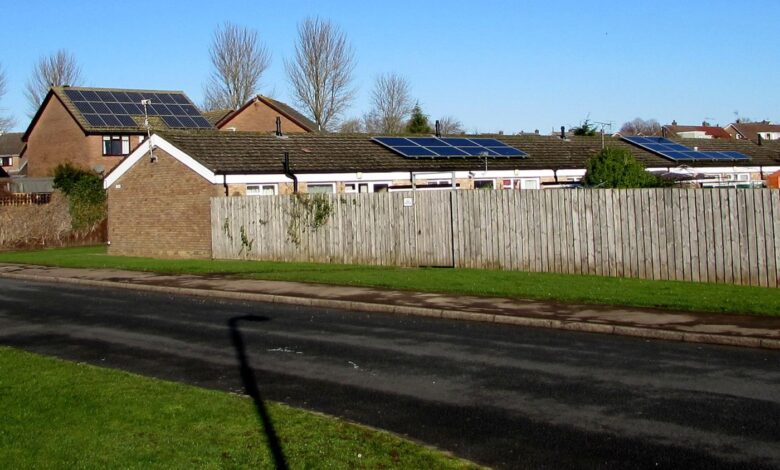
Drive through any mid-sized Gujarat city at noon and the transformation is visible from the street: terrace after terrace of blue-black solar panels angled at the sun. Gujarat has become one of India’s leading states for rooftop solar, with lakhs of households generating their own power, shrinking their electricity bills and selling surplus units back to the grid under net-metering arrangements.
The surge rests on a combination of generous sunlight, subsidy support from central and state schemes, and an installation industry that has matured quickly. Local reporting on rajkotupdatesnews.org has chronicled how solar dealers, once a rarity in cities like Rajkot, now compete on every commercial street, offering systems sized from one kilowatt for a small home upward.
The economics that convinced households
For a typical family, the calculation has become hard to argue with. A mid-sized rooftop system, after subsidy, can pay for itself in roughly four to five years through bill savings, then keep producing for two decades with modest maintenance. Households that run fans, refrigerators and air-conditioners through Gujarat’s fierce summers see the largest gains, and housing societies have begun installing shared systems for lifts and common areas.
Distribution companies, initially wary of losing their best-paying customers, have adapted by streamlining net-meter approvals. Data published by the Ministry of New and Renewable Energy show residential rooftop capacity climbing steadily quarter after quarter, with Gujarat consistently among the top-performing states.
What comes next
The installer ecosystem deserves part of the credit. Competition among local vendors has driven prices down and service standards up, while financing tie-ups with banks and cooperatives let households convert the capital cost into EMIs lower than their old electricity bills. For many families, that crossover — EMI below the bill — was the moment solar stopped being an environmental statement and became a household appliance decision.
Grid managers, meanwhile, are learning to love and manage the midday surplus. Thousands of small rooftops feeding power simultaneously require smarter distribution planning, upgraded transformers and time-of-day tariffs that reward consumption when the sun is high. The state’s next challenge is the good kind: not persuading people to generate, but orchestrating a grid in which lakhs of them already do.
Visitors from other states now tour Gujarat’s solar neighbourhoods the way delegations once toured its industrial estates, notebooks open. What they are studying is less the panel — identical everywhere — than the paperwork, financing and installer ecosystem that made adoption ordinary. Technology transfers easily. Ecosystems, as the rooftop boom shows, are the real export.
Challenges remain: panel cleaning in dusty months, occasional inverter failures, and apartment blocks where terrace rights are disputed. Battery storage is the next frontier — still pricey for most families, but falling. For now, the state’s rooftops have quietly become a distributed power station, and the midday sun that once only raised the temperature now lowers the bill.